As 2025 unfolds, U.S. tax policy is poised for significant shifts, particularly with a new Republican administration under President Donald Trump. The year ahead will likely see a range of tax reforms, largely driven by the GOP’s objectives and campaign promises. In this article, we’ll explore the major tax policy trends, legislative developments, and administration changes that may shape U.S. tax law in 2025.
The Impact of Supreme Court Decisions
2024 also saw two major Supreme Court decisions with significant tax implications. In the Moore case, the Court ruled narrowly on the issue of wealth taxation, leaving open the possibility of revisiting the question in the future. While wealth tax proposals had gained some traction among Democrats, the Court’s decision, combined with the political climate, suggests that such proposals are unlikely to gain much momentum under the new administration.
The Loper Bright decision, which questioned the deference given to government regulations, could have far-reaching effects on tax policy. The ruling makes it more difficult for agencies like the IRS to issue regulations without clear legislative guidance, potentially leading to more legal challenges to IRS regulations and shifting the balance of power between lawmakers and regulatory agencies.
2025: A New Republican Agenda
With a Republican administration taking office in 2025, tax policy is expected to shift dramatically. President Trump, along with a Republican-controlled Senate and House, will likely push for several key changes to tax law.
One of the primary objectives will be to extend provisions of the 2017 Tax Cuts and Jobs Act (TCJA) that are set to expire. This includes individual tax cuts, corporate rate reductions and changes to the state and local tax (SALT) deduction cap. The extension of other expiring provisions involving lifetime gift and estate tax exemptions, AMT, child tax credits, and the mortgage interest deduction may also be on the table. Additionally, the GOP is expected to explore new tax cuts, with some lawmakers proposing measures like eliminating taxes on tips, which was promoted during Trump’s election campaign.
On the corporate side, there may be discussions about lowering the effective tax rate through credits and incentives rather than direct reductions to the statutory corporate tax rate. There also could be movement on tax expensing for research and development, as well as other measures to incentivize business investment.
Potential Revenue-Raising Measures
Despite the tax cuts expected to dominate the agenda, there may be some revenue-raising measures included in the GOP’s tax proposals. The focus on reducing deficits could lead to efforts to cut some of the green credits in the Inflation Reduction Act, although these cuts are unlikely to raise significant revenue. There also may be attempts to tighten international tax rules from the TCJA to generate more revenue.
President Trump has also proposed replacing individual income taxes with increases in tariffs, implementing a universal 20 percent tariff across the board, and implementing an additional 50 percent tariff on imports from China.
IRS Funding and Administration Changes
Under the new administration, the IRS is expected to face significant cuts, particularly in its enforcement budget. The $80 billion allocated to the agency in recent years, which was intended to improve taxpayer services and combat tax evasion, is likely to be rolled back. Republicans have expressed strong opposition to the IRS’ expanded powers and are expected to push for a reallocation of those funds toward customer service rather than enforcement.
Additionally, the new administration may replace current IRS Commissioner Daniel Werfel, who was appointed during the Biden administration. Trump could nominate a new commissioner, and if this happens, it could spark further debates over the direction of the IRS in the coming years.
Conclusion
2025 promises to be a dynamic year for U.S. tax policy, with significant changes expected under the new administration. Key issues to watch include the fate of the TCJA’s expiring provisions, potential new tax cuts, and ongoing debates over IRS funding and regulations. As the administration works to implement its agenda, there will likely be contentious discussions and compromises on Capitol Hill, setting the stage for a new era of tax policy for the United States.
2025 U.S. Tax Legislation Forecast: What to Expect
February 1, 2025 · Blog, News, Tax and Financial News
⏱ 4 min read
As 2025 unfolds, U.S. tax policy is poised for significant shifts, particularly with a new Republican administration under President Donald Trump. The year ahead will likely see a range of tax reforms, largely driven by the GOP’s objectives and campaign promises. In this article, we’ll explore the major tax policy trends, legislative developments, and administration changes that may shape U.S. tax law in 2025.
The Impact of Supreme Court Decisions
2024 also saw two major Supreme Court decisions with significant tax implications. In the Moore case, the Court ruled narrowly on the issue of wealth taxation, leaving open the possibility of revisiting the question in the future. While wealth tax proposals had gained some traction among Democrats, the Court’s decision, combined with the political climate, suggests that such proposals are unlikely to gain much momentum under the new administration.
The Loper Bright decision, which questioned the deference given to government regulations, could have far-reaching effects on tax policy. The ruling makes it more difficult for agencies like the IRS to issue regulations without clear legislative guidance, potentially leading to more legal challenges to IRS regulations and shifting the balance of power between lawmakers and regulatory agencies.
2025: A New Republican Agenda
With a Republican administration taking office in 2025, tax policy is expected to shift dramatically. President Trump, along with a Republican-controlled Senate and House, will likely push for several key changes to tax law.
One of the primary objectives will be to extend provisions of the 2017 Tax Cuts and Jobs Act (TCJA) that are set to expire. This includes individual tax cuts, corporate rate reductions and changes to the state and local tax (SALT) deduction cap. The extension of other expiring provisions involving lifetime gift and estate tax exemptions, AMT, child tax credits, and the mortgage interest deduction may also be on the table. Additionally, the GOP is expected to explore new tax cuts, with some lawmakers proposing measures like eliminating taxes on tips, which was promoted during Trump’s election campaign.
On the corporate side, there may be discussions about lowering the effective tax rate through credits and incentives rather than direct reductions to the statutory corporate tax rate. There also could be movement on tax expensing for research and development, as well as other measures to incentivize business investment.
Potential Revenue-Raising Measures
Despite the tax cuts expected to dominate the agenda, there may be some revenue-raising measures included in the GOP’s tax proposals. The focus on reducing deficits could lead to efforts to cut some of the green credits in the Inflation Reduction Act, although these cuts are unlikely to raise significant revenue. There also may be attempts to tighten international tax rules from the TCJA to generate more revenue.
President Trump has also proposed replacing individual income taxes with increases in tariffs, implementing a universal 20 percent tariff across the board, and implementing an additional 50 percent tariff on imports from China.
IRS Funding and Administration Changes
Under the new administration, the IRS is expected to face significant cuts, particularly in its enforcement budget. The $80 billion allocated to the agency in recent years, which was intended to improve taxpayer services and combat tax evasion, is likely to be rolled back. Republicans have expressed strong opposition to the IRS’ expanded powers and are expected to push for a reallocation of those funds toward customer service rather than enforcement.
Additionally, the new administration may replace current IRS Commissioner Daniel Werfel, who was appointed during the Biden administration. Trump could nominate a new commissioner, and if this happens, it could spark further debates over the direction of the IRS in the coming years.
Conclusion
2025 promises to be a dynamic year for U.S. tax policy, with significant changes expected under the new administration. Key issues to watch include the fate of the TCJA’s expiring provisions, potential new tax cuts, and ongoing debates over IRS funding and regulations. As the administration works to implement its agenda, there will likely be contentious discussions and compromises on Capitol Hill, setting the stage for a new era of tax policy for the United States.
Disclaimer
These articles provide general information on tax, accounting, and financial topics for small businesses and individuals. They are educational in nature and are not specific legal, accounting, financial, tax, or other professional advice, and should not be relied upon as such. This content was prepared by Service2Client and may have been reviewed or edited by the website owner for accuracy and compliance. Look for a trust mark below for verification details. No representation is made that any approach described will achieve a particular result, and no regulatory or professional body has reviewed or endorsed this content. Because each situation is different, readers should consult a qualified professional about their specific circumstances before acting. Images accompanying these articles are protected by copyright and may not be copied or reused.
With a Roth IRA, the owner can make limited contributions each year. In 2025, the limit is $7,000; $8,000 if age 50 or older. Only people who earn less than $150,000 (single filers) or under $236,000 (married filing jointly) can make a full Roth IRA contribution. While contributions do not qualify for a tax deduction, earnings are not taxable once the account has been open for five years. Contributions, which were previously taxed as income, can be withdrawn at any time.
Once you open and contribute to a Roth IRA, the five-year countdown begins before you can take any earnings out tax-free. However, the holding period is actually measured from Jan. 1 of the year you made the first contribution.
For example, if you opened your Roth IRA on Dec. 31, 2024, the holding period backs up to Jan. 1, 2024. Therefore, your holding period is technically only four years instead of five to avoid paying taxes on earnings.
However, it gets even better because you are allowed to make a Roth contribution for the prior tax year up until tax day in April. That means if you open a Roth in April 2025 and designate your contribution for 2024, your holding period is shortened by another four months.
This is why it’s important to open a Roth as soon as possible, even if you cannot contribute a lot of money in the near future. It makes a great strategy for a high school or college student with job earnings to at least open a Roth for future use. While there is no upfront tax deduction, you may withdraw contributions penalty and tax-free at any time – which makes it ideal as both a liquid emergency account as well as long-term savings.
As for withdrawing earnings, the rules are trickier. As far as the IRS is concerned, contributions are withdrawn first and then earnings. Note that when earnings are withdrawn before age 59½, the amount is subject to both taxes and a 10 percent penalty, but there are exceptions that waive the penalty. For example, if your account is less than five years old, you can still withdraw earnings (penalty-free but still subject to taxes) for the following purposes:
To help pay for a first-time home purchase (up to $10,000)
To pay for college
To pay certain emergency expenses
To pay for expenses in connection with a federally qualified disaster
To pay expenses related to a birth or adoption
To pay for unreimbursed medical expenses or health insurance if unemployed
If you become disabled or are a survivor of domestic abuse
If your account is older than five years, you can avoid both taxes and the penalty if the funds are used to help pay for a first-time home purchase (up to $10,000) or if you become disabled.
After age 59½, there are no taxes and no penalties for any money withdrawn from a Roth IRA for any reason.
Multiple Roths
The same five-year holding period applies to all the Roths you own, with the clock starting at the first contribution to your first Roth. This means that if five years after the date you open your first Roth, you open a new Roth and contribute a bunch of income, you won’t have to wait another five years to tap those earnings tax-free. This perk does not apply to a Roth 401(k) account, which maintains a separate five-year holding period.
Conversion Benefits
When you convert a traditional IRA or 401(k) to a Roth (assuming your plan allows in-service withdrawals or in-plan conversions), you must pay income taxes in the year the money is converted. However, there are some very good reasons to convert:
Tax-Free Income – By converting assets when you’re still working, you can pay the taxes owed with current income, but from that point on, the Roth IRA will grow tax-free. This is particularly helpful in diversifying your tax liability during retirement if you have other income sources (e.g., pension, brokerage account, Social Security).
Eliminate RMDs – If you continue working into your 70s, you may continue contributing to your Roth IRA, and assets converted from a 401(k) or traditional IRA are no longer subject to required minimum distributions. This way, your full account balance has the opportunity to continue growing for later retirement and/or for your heirs.
Be aware that converting a taxable retirement account to a Roth IRA begins its own five-year timetable, so convert long before you need to begin withdrawals.
Rules of the Roth
February 1, 2025 · Blog, Financial Planning, News
⏱ 4 min read
With a Roth IRA, the owner can make limited contributions each year. In 2025, the limit is $7,000; $8,000 if age 50 or older. Only people who earn less than $150,000 (single filers) or under $236,000 (married filing jointly) can make a full Roth IRA contribution. While contributions do not qualify for a tax deduction, earnings are not taxable once the account has been open for five years. Contributions, which were previously taxed as income, can be withdrawn at any time.
Once you open and contribute to a Roth IRA, the five-year countdown begins before you can take any earnings out tax-free. However, the holding period is actually measured from Jan. 1 of the year you made the first contribution.
For example, if you opened your Roth IRA on Dec. 31, 2024, the holding period backs up to Jan. 1, 2024. Therefore, your holding period is technically only four years instead of five to avoid paying taxes on earnings.
However, it gets even better because you are allowed to make a Roth contribution for the prior tax year up until tax day in April. That means if you open a Roth in April 2025 and designate your contribution for 2024, your holding period is shortened by another four months.
This is why it’s important to open a Roth as soon as possible, even if you cannot contribute a lot of money in the near future. It makes a great strategy for a high school or college student with job earnings to at least open a Roth for future use. While there is no upfront tax deduction, you may withdraw contributions penalty and tax-free at any time – which makes it ideal as both a liquid emergency account as well as long-term savings.
As for withdrawing earnings, the rules are trickier. As far as the IRS is concerned, contributions are withdrawn first and then earnings. Note that when earnings are withdrawn before age 59½, the amount is subject to both taxes and a 10 percent penalty, but there are exceptions that waive the penalty. For example, if your account is less than five years old, you can still withdraw earnings (penalty-free but still subject to taxes) for the following purposes:
To help pay for a first-time home purchase (up to $10,000)
To pay for college
To pay certain emergency expenses
To pay for expenses in connection with a federally qualified disaster
To pay expenses related to a birth or adoption
To pay for unreimbursed medical expenses or health insurance if unemployed
If you become disabled or are a survivor of domestic abuse
If your account is older than five years, you can avoid both taxes and the penalty if the funds are used to help pay for a first-time home purchase (up to $10,000) or if you become disabled.
After age 59½, there are no taxes and no penalties for any money withdrawn from a Roth IRA for any reason.
Multiple Roths
The same five-year holding period applies to all the Roths you own, with the clock starting at the first contribution to your first Roth. This means that if five years after the date you open your first Roth, you open a new Roth and contribute a bunch of income, you won’t have to wait another five years to tap those earnings tax-free. This perk does not apply to a Roth 401(k) account, which maintains a separate five-year holding period.
Conversion Benefits
When you convert a traditional IRA or 401(k) to a Roth (assuming your plan allows in-service withdrawals or in-plan conversions), you must pay income taxes in the year the money is converted. However, there are some very good reasons to convert:
Tax-Free Income – By converting assets when you’re still working, you can pay the taxes owed with current income, but from that point on, the Roth IRA will grow tax-free. This is particularly helpful in diversifying your tax liability during retirement if you have other income sources (e.g., pension, brokerage account, Social Security).
Eliminate RMDs – If you continue working into your 70s, you may continue contributing to your Roth IRA, and assets converted from a 401(k) or traditional IRA are no longer subject to required minimum distributions. This way, your full account balance has the opportunity to continue growing for later retirement and/or for your heirs.
Be aware that converting a taxable retirement account to a Roth IRA begins its own five-year timetable, so convert long before you need to begin withdrawals.
Disclaimer
These articles provide general information on tax, accounting, and financial topics for small businesses and individuals. They are educational in nature and are not specific legal, accounting, financial, tax, or other professional advice, and should not be relied upon as such. This content was prepared by Service2Client and may have been reviewed or edited by the website owner for accuracy and compliance. Look for a trust mark below for verification details. No representation is made that any approach described will achieve a particular result, and no regulatory or professional body has reviewed or endorsed this content. Because each situation is different, readers should consult a qualified professional about their specific circumstances before acting. Images accompanying these articles are protected by copyright and may not be copied or reused.
The rise of artificial intelligence (AI) is continuously transforming how businesses operate, offering opportunities for efficiency, innovation, and growth. However, in an increasingly competitive landscape, businesses seek solutions tailored to their specific industries. To meet this demand for more tailored tools, vertical AI agents are emerging as key to staying ahead in the age of specialization.
What are Vertical AI Agents?
Vertical AI agents are designed to solve specific problems within industries in areas such as finance, retail, and healthcare. This differs from horizontal AI, which provides general capabilities across various sectors. Horizontal AI cross-functional applications such as marketing automation are applicable across different sectors. These horizontal AI solutions were witnessed in the early days of AI, when companies like Google, Microsoft, and Amazon created broad AI solutions. These solutions handle multiple tasks but are not optimized for any specific ones.
Vertical AI has been enabled by advancements in Large Language Models (LLMs), which now possess the capability to process complex, industry-specific data and automate complex tasks. These breakthroughs and the inefficiencies of outdated technologies in many industries have created a demand for specialized solutions. Additionally, some platforms simplify the creation and deployment of vertical AI by providing data management and customization tools. At the same time, businesses increasingly recognize AI’s potential to drive efficiency and competitive advantage.
Vertical AI agents are emerging as the next disruption in tech and are anticipated to dominate in 2025. With its market valued at $5.1 billion in 2024, the figures are projected to rise to $47.1 billion by 2030.
Some areas where vertical AI agents are used include finance to enhance risk assessment models and provide insights into market trends and investment opportunities.
Banking institutions are also deploying vertical AI agents to detect fraud in real-time and reduce manual intervention.
In retail verticals, AI agents help personalize product suggestions for customers.
It is important to note that the success of vertical AI precision depends on its ability to solve clear and specific problems. It leverages industry-specific data and domain expertise to deliver solutions that have better precision than general AI systems.
As such, some companies have begun building their own AI tools by using their datasets to create tailored solutions for their specific industry challenges.
Key Benefits of Vertical AI Agents for Niche Markets
Increased operational efficiency – Frees human resources by automating complex and repetitive tasks to increase productivity. Employees have more time to focus on tasks that require creativity, strategy, or problem-solving.
Enhanced accuracy and decision-making – Vertical AI agents are trained on vast amounts of industry-specific data. As a result, they deliver more accurate and consistent results. This reduces human error, which may have dire consequences in critical high-stakes fields such as healthcare and finance.
Cost saving – automating tasks traditionally performed by large teams helps reduce costs. It lowers payroll expenses and minimizes operational costs. This enables companies to reallocate resources to innovation and growth rather than to routine tasks.
Unlock new markets – traditional software solutions may struggle to penetrate niche markets. This is because of their complexity or unstructured data requirements. However, vertical AI agents handle these challenges effectively, opening up new revenue opportunities in previously underserved segments.
Improved customer experience – vertical AI agents enhance customer interaction since they can provide personalized service and faster response time.
Competitive advantage – businesses leveraging vertical AI agents have a significant competitive edge over competitors relying on generalized solutions.
Driving innovation – vertical AI agents streamline operations and offer data-driven recommendations. This enables businesses to experiment and develop cutting-edge products and services. Ultimately, a business can maintain a competitive edge in niche markets.
Challenges and Considerations
Vertical AI agents have compelling benefits but also come with some challenges. A business must navigate the potential challenges during implementation. This includes integration with existing systems, data privacy concerns, employee resistance, and the need for ongoing human oversight. The good news is that with careful planning and a strategic approach, it is easy to overcome these challenges and fully realize the benefits of vertical AI.
Closing Thoughts
Automation has become a critical tool for businesses that want to remain competitive. As the demand for smarter and more efficient operations rises, vertical AI agents are emerging as a solution. These advanced AI solutions deliver targeted results by focusing on niche applications. As AI continues to advance, vertical AI agents will become more efficient and accessible, integrating with broader systems.
Why Your Business Needs a Vertical AI Agent: Top Benefits for Niche Markets
February 1, 2025 · Blog, News, What's New in Technology
⏱ 4 min read
The rise of artificial intelligence (AI) is continuously transforming how businesses operate, offering opportunities for efficiency, innovation, and growth. However, in an increasingly competitive landscape, businesses seek solutions tailored to their specific industries. To meet this demand for more tailored tools, vertical AI agents are emerging as key to staying ahead in the age of specialization.
What are Vertical AI Agents?
Vertical AI agents are designed to solve specific problems within industries in areas such as finance, retail, and healthcare. This differs from horizontal AI, which provides general capabilities across various sectors. Horizontal AI cross-functional applications such as marketing automation are applicable across different sectors. These horizontal AI solutions were witnessed in the early days of AI, when companies like Google, Microsoft, and Amazon created broad AI solutions. These solutions handle multiple tasks but are not optimized for any specific ones.
Vertical AI has been enabled by advancements in Large Language Models (LLMs), which now possess the capability to process complex, industry-specific data and automate complex tasks. These breakthroughs and the inefficiencies of outdated technologies in many industries have created a demand for specialized solutions. Additionally, some platforms simplify the creation and deployment of vertical AI by providing data management and customization tools. At the same time, businesses increasingly recognize AI’s potential to drive efficiency and competitive advantage.
Vertical AI agents are emerging as the next disruption in tech and are anticipated to dominate in 2025. With its market valued at $5.1 billion in 2024, the figures are projected to rise to $47.1 billion by 2030.
Some areas where vertical AI agents are used include finance to enhance risk assessment models and provide insights into market trends and investment opportunities.
Banking institutions are also deploying vertical AI agents to detect fraud in real-time and reduce manual intervention.
In retail verticals, AI agents help personalize product suggestions for customers.
It is important to note that the success of vertical AI precision depends on its ability to solve clear and specific problems. It leverages industry-specific data and domain expertise to deliver solutions that have better precision than general AI systems.
As such, some companies have begun building their own AI tools by using their datasets to create tailored solutions for their specific industry challenges.
Key Benefits of Vertical AI Agents for Niche Markets
Increased operational efficiency – Frees human resources by automating complex and repetitive tasks to increase productivity. Employees have more time to focus on tasks that require creativity, strategy, or problem-solving.
Enhanced accuracy and decision-making – Vertical AI agents are trained on vast amounts of industry-specific data. As a result, they deliver more accurate and consistent results. This reduces human error, which may have dire consequences in critical high-stakes fields such as healthcare and finance.
Cost saving – automating tasks traditionally performed by large teams helps reduce costs. It lowers payroll expenses and minimizes operational costs. This enables companies to reallocate resources to innovation and growth rather than to routine tasks.
Unlock new markets – traditional software solutions may struggle to penetrate niche markets. This is because of their complexity or unstructured data requirements. However, vertical AI agents handle these challenges effectively, opening up new revenue opportunities in previously underserved segments.
Improved customer experience – vertical AI agents enhance customer interaction since they can provide personalized service and faster response time.
Competitive advantage – businesses leveraging vertical AI agents have a significant competitive edge over competitors relying on generalized solutions.
Driving innovation – vertical AI agents streamline operations and offer data-driven recommendations. This enables businesses to experiment and develop cutting-edge products and services. Ultimately, a business can maintain a competitive edge in niche markets.
Challenges and Considerations
Vertical AI agents have compelling benefits but also come with some challenges. A business must navigate the potential challenges during implementation. This includes integration with existing systems, data privacy concerns, employee resistance, and the need for ongoing human oversight. The good news is that with careful planning and a strategic approach, it is easy to overcome these challenges and fully realize the benefits of vertical AI.
Closing Thoughts
Automation has become a critical tool for businesses that want to remain competitive. As the demand for smarter and more efficient operations rises, vertical AI agents are emerging as a solution. These advanced AI solutions deliver targeted results by focusing on niche applications. As AI continues to advance, vertical AI agents will become more efficient and accessible, integrating with broader systems.
Disclaimer
These articles provide general information on tax, accounting, and financial topics for small businesses and individuals. They are educational in nature and are not specific legal, accounting, financial, tax, or other professional advice, and should not be relied upon as such. This content was prepared by Service2Client and may have been reviewed or edited by the website owner for accuracy and compliance. Look for a trust mark below for verification details. No representation is made that any approach described will achieve a particular result, and no regulatory or professional body has reviewed or endorsed this content. Because each situation is different, readers should consult a qualified professional about their specific circumstances before acting. Images accompanying these articles are protected by copyright and may not be copied or reused.
Laken Riley Act (S 5) – A holdover from the last congressional session, this bill was re-introduced by Sen. Katie Britt (R-AL) on Jan. 6. It is similar to a 1996 law, the Illegal Immigration Reform and Immigrant Responsibility Act, that deports illegal immigrants who are found guilty of serious crimes. This new bill enables the government to detain and deport illegals who are arrested for serious crimes or misdemeanors (such as shoplifting), but they do not have to be charged or found guilty. The legislation passed in the Senate on Jan. 20 and the House on Jan. 22, and it is expected to be the first bill signed by the Trump administration.
Federal Disaster Assistance Coordination Act (HR 152) – This legislation would amend the Disaster Recovery Reform Act of 2018 to authorize a new study designed to streamline and consolidate data regarding the collection of preliminary damage assessments. It was introduced by Rep. Mike Ezell (R-MS) on Jan. 3, passed in the House on Jan. 13, and is currently in the Senate.
Post-Disaster Assistance Online Accountability Act (HR 153) – This is a disaster companion bill, also introduced by Rep. Mike Ezell (R-MS) on Jan. 3. It would create an online repository for recipients of Federal disaster assistance to meet specific reporting requirements. The bipartisan bill passed in the House on Jan. 14, and its fate also lies with the Senate.
POWER Act of 2025 (HR 164) – Also known as the Promoting Opportunities to Widen Electrical Resilience Act, this non-controversial bill was passed on Jan. 15 under a House procedure called “suspension of the rules.” It would allow Federal agencies to provide essential assistance for the emergency restoration of power and not restrict utility company recipients from also qualifying for hazard mitigation assistance if necessary. The bill amends the previous Robert T. Stafford Disaster Relief and Emergency Assistance Act (1988), which details the process for federal government assistance to state and local governments following a major disaster. The bill was introduced by Rep. Valerie Hoyle (D-OR) on Jan. 3 and currently lies with the Senate.
Fix Our Forests Act (HR 471) – The purpose of this bill is to expedite improvements in forest management activities on National Forest public lands under the jurisdiction of the Bureau of Land Management to return resilience to overgrown, fire-prone forested lands. This bipartisan legislation was introduced by Rep. Bruce Westerman (R-AR) on Jan. 16 and passed in the House on Jan. 23. It currently lies with the Senate.
MAPWaters Act of 2025 (HR 187) – This bipartisan bill authorizes the standardization, consolidation, and publication of federal waterways data regarding outdoor recreational uses by the public, as tracked by federal land and water management agencies. The legislation was introduced by Rep. Blake Moore (R-UT) on Jan. 3, passed in the House on Jan. 21, and is under consideration in the Senate.
Regarding consent to assemble outside the seat of government (HCon Res. 1) – This concurrent resolution was introduced on Jan. 3 by Rep. Michelle Fischbach (R-MN). It is a bipartisan resolution, agreed to by all four majority and minority leaders in both houses, that would allow members of the House and the Senate to assemble at a location outside the District of Columbia if it is in the public interest. The resolution passed in the House on Jan. 3 and currently rests in the Senate.
Beefing Up Laws for Illegal Immigrants and Preparing for Future Disasters
February 1, 2025 · Blog, Congress at Work, News
⏱ 3 min read
Laken Riley Act (S 5) – A holdover from the last congressional session, this bill was re-introduced by Sen. Katie Britt (R-AL) on Jan. 6. It is similar to a 1996 law, the Illegal Immigration Reform and Immigrant Responsibility Act, that deports illegal immigrants who are found guilty of serious crimes. This new bill enables the government to detain and deport illegals who are arrested for serious crimes or misdemeanors (such as shoplifting), but they do not have to be charged or found guilty. The legislation passed in the Senate on Jan. 20 and the House on Jan. 22, and it is expected to be the first bill signed by the Trump administration.
Federal Disaster Assistance Coordination Act (HR 152) – This legislation would amend the Disaster Recovery Reform Act of 2018 to authorize a new study designed to streamline and consolidate data regarding the collection of preliminary damage assessments. It was introduced by Rep. Mike Ezell (R-MS) on Jan. 3, passed in the House on Jan. 13, and is currently in the Senate.
Post-Disaster Assistance Online Accountability Act (HR 153) – This is a disaster companion bill, also introduced by Rep. Mike Ezell (R-MS) on Jan. 3. It would create an online repository for recipients of Federal disaster assistance to meet specific reporting requirements. The bipartisan bill passed in the House on Jan. 14, and its fate also lies with the Senate.
POWER Act of 2025 (HR 164) – Also known as the Promoting Opportunities to Widen Electrical Resilience Act, this non-controversial bill was passed on Jan. 15 under a House procedure called “suspension of the rules.” It would allow Federal agencies to provide essential assistance for the emergency restoration of power and not restrict utility company recipients from also qualifying for hazard mitigation assistance if necessary. The bill amends the previous Robert T. Stafford Disaster Relief and Emergency Assistance Act (1988), which details the process for federal government assistance to state and local governments following a major disaster. The bill was introduced by Rep. Valerie Hoyle (D-OR) on Jan. 3 and currently lies with the Senate.
Fix Our Forests Act (HR 471) – The purpose of this bill is to expedite improvements in forest management activities on National Forest public lands under the jurisdiction of the Bureau of Land Management to return resilience to overgrown, fire-prone forested lands. This bipartisan legislation was introduced by Rep. Bruce Westerman (R-AR) on Jan. 16 and passed in the House on Jan. 23. It currently lies with the Senate.
MAPWaters Act of 2025 (HR 187) – This bipartisan bill authorizes the standardization, consolidation, and publication of federal waterways data regarding outdoor recreational uses by the public, as tracked by federal land and water management agencies. The legislation was introduced by Rep. Blake Moore (R-UT) on Jan. 3, passed in the House on Jan. 21, and is under consideration in the Senate.
Regarding consent to assemble outside the seat of government (HCon Res. 1) – This concurrent resolution was introduced on Jan. 3 by Rep. Michelle Fischbach (R-MN). It is a bipartisan resolution, agreed to by all four majority and minority leaders in both houses, that would allow members of the House and the Senate to assemble at a location outside the District of Columbia if it is in the public interest. The resolution passed in the House on Jan. 3 and currently rests in the Senate.
Disclaimer
These articles provide general information on tax, accounting, and financial topics for small businesses and individuals. They are educational in nature and are not specific legal, accounting, financial, tax, or other professional advice, and should not be relied upon as such. This content was prepared by Service2Client and may have been reviewed or edited by the website owner for accuracy and compliance. Look for a trust mark below for verification details. No representation is made that any approach described will achieve a particular result, and no regulatory or professional body has reviewed or endorsed this content. Because each situation is different, readers should consult a qualified professional about their specific circumstances before acting. Images accompanying these articles are protected by copyright and may not be copied or reused.
With the number of Amazon Prime member subscribers growing from 58 million in 2016 to 180 million in 2024, according to Statista, there’s a sustained recurring subscription model that one of America’s most successful retailers has increased more than 200 percent in eight years. Whether it’s a large company such as Amazon or a solopreneur beginning their recurring subscription services, it’s important to first distinguish between overall bookings and recurring revenue; and then to illustrate how businesses can measure these two types of revenue.
Dissecting Annual Recurring Revenue (ARR) and Bookings
Bookings are assurances of all anticipated earnings (recurring and one-off deals) because the business hasn’t satisfied the terms of the contracted services. Once it’s completed, the booking will turn into actual revenue. This factor is present in all sales deals, regardless of when revenue or cash will be transferred to the business from the customer. Non-recurring revenue includes training, special consulting projects, etc. (things that are one-off).
Annual Recurring Revenue (ARR) is a way to gauge recurring revenue a business projects to earn on a yearly basis. It’s quite common in eCommerce industries – be it subscriptions for food, software, etc. that are billed on a monthly or annual time frame.
How ARR Helps Businesses Analyze Operations
Businesses can determine demand trends, which help forecast recurring revenue. Lenders and investors can see how (in)efficient a company is with its marketing and sales efforts. It gives business owners and management the ability to determine customer retention and growth prospects while it provides internal and external users the ability to estimate a subscription’s worth. Additional insight businesses can gain from this metric include how much new customers add, how much renewals and upgrades impact ARR, and how churn and downgrades impact ARR.
How to Value a Company Using ARR
One common metric is Enterprise Value divided by ARR (EV/ARR), which is similar but important to distinguish from the EV/Revenue ratio. Since the ARR only factors in recurring revenue versus the EV/Revenue, which factors in all revenue regardless of the revenue recurring, the initial ratio provides a better assessment of the recurring revenue only. Assuming a company has an ARR multiple of 7 and its ARR is $15 million, the ARR has an enterprise value of $105 million.
Monthly Versus Yearly Recurring Revenue
While Monthly Recurring Revenue is not an entry on a business’s financial statements, it’s more of a key performance indicator (KPI). It’s not uncommon for companies to include it as part of their earnings releases. If a recurring subscription revenue is done monthly, it’s converted into Annual Recurring Revenue (ARR) as follows: MRR x 12 = ARR.
Recording Bookings
When a contract is signed, or an order is placed, it depends on how it’s handled. If the business receives cash prior to completing their monthly or yearly service expectation and say the contract is for $20,000 per month for 12 months, it would be recorded as follows:
Debit: Cash $240,000
Credit: Deferred Revenue $240,000
Since the contract has just been signed, but there’s been no product/service rendered, deferred or unearned, revenue has been created.
For every month that passes, the journal entry will progress as follows:
Debit: Deferred Revenue $20,000
Credit: Revenue $20,000
The deferred revenue account drops from $240,000 to $220,000, assuming the starting deferred revenue balance is even and there’s no deferred revenue.
The following month, the journal entries would be as follows:
Debit: Deferred Revenue $20,000
Credit: Revenue $20,000
This would occur every month until the end of the 12-month period.
Conclusion
When it comes to accounting for revenue, whether it’s booked, fulfilled by the company, or the payment received by the company, along with analyzing the time frame, it’s equally important to be familiar with the type of revenue it is for one to see how the company is performing.
Dissecting Bookings and Annual Recurring Revenue
February 1, 2025 · Accounting News, Blog, News
⏱ 4 min read
With the number of Amazon Prime member subscribers growing from 58 million in 2016 to 180 million in 2024, according to Statista, there’s a sustained recurring subscription model that one of America’s most successful retailers has increased more than 200 percent in eight years. Whether it’s a large company such as Amazon or a solopreneur beginning their recurring subscription services, it’s important to first distinguish between overall bookings and recurring revenue; and then to illustrate how businesses can measure these two types of revenue.
Dissecting Annual Recurring Revenue (ARR) and Bookings
Bookings are assurances of all anticipated earnings (recurring and one-off deals) because the business hasn’t satisfied the terms of the contracted services. Once it’s completed, the booking will turn into actual revenue. This factor is present in all sales deals, regardless of when revenue or cash will be transferred to the business from the customer. Non-recurring revenue includes training, special consulting projects, etc. (things that are one-off).
Annual Recurring Revenue (ARR) is a way to gauge recurring revenue a business projects to earn on a yearly basis. It’s quite common in eCommerce industries – be it subscriptions for food, software, etc. that are billed on a monthly or annual time frame.
How ARR Helps Businesses Analyze Operations
Businesses can determine demand trends, which help forecast recurring revenue. Lenders and investors can see how (in)efficient a company is with its marketing and sales efforts. It gives business owners and management the ability to determine customer retention and growth prospects while it provides internal and external users the ability to estimate a subscription’s worth. Additional insight businesses can gain from this metric include how much new customers add, how much renewals and upgrades impact ARR, and how churn and downgrades impact ARR.
How to Value a Company Using ARR
One common metric is Enterprise Value divided by ARR (EV/ARR), which is similar but important to distinguish from the EV/Revenue ratio. Since the ARR only factors in recurring revenue versus the EV/Revenue, which factors in all revenue regardless of the revenue recurring, the initial ratio provides a better assessment of the recurring revenue only. Assuming a company has an ARR multiple of 7 and its ARR is $15 million, the ARR has an enterprise value of $105 million.
Monthly Versus Yearly Recurring Revenue
While Monthly Recurring Revenue is not an entry on a business’s financial statements, it’s more of a key performance indicator (KPI). It’s not uncommon for companies to include it as part of their earnings releases. If a recurring subscription revenue is done monthly, it’s converted into Annual Recurring Revenue (ARR) as follows: MRR x 12 = ARR.
Recording Bookings
When a contract is signed, or an order is placed, it depends on how it’s handled. If the business receives cash prior to completing their monthly or yearly service expectation and say the contract is for $20,000 per month for 12 months, it would be recorded as follows:
Debit: Cash $240,000
Credit: Deferred Revenue $240,000
Since the contract has just been signed, but there’s been no product/service rendered, deferred or unearned, revenue has been created.
For every month that passes, the journal entry will progress as follows:
Debit: Deferred Revenue $20,000
Credit: Revenue $20,000
The deferred revenue account drops from $240,000 to $220,000, assuming the starting deferred revenue balance is even and there’s no deferred revenue.
The following month, the journal entries would be as follows:
Debit: Deferred Revenue $20,000
Credit: Revenue $20,000
This would occur every month until the end of the 12-month period.
Conclusion
When it comes to accounting for revenue, whether it’s booked, fulfilled by the company, or the payment received by the company, along with analyzing the time frame, it’s equally important to be familiar with the type of revenue it is for one to see how the company is performing.
Disclaimer
These articles provide general information on tax, accounting, and financial topics for small businesses and individuals. They are educational in nature and are not specific legal, accounting, financial, tax, or other professional advice, and should not be relied upon as such. This content was prepared by Service2Client and may have been reviewed or edited by the website owner for accuracy and compliance. Look for a trust mark below for verification details. No representation is made that any approach described will achieve a particular result, and no regulatory or professional body has reviewed or endorsed this content. Because each situation is different, readers should consult a qualified professional about their specific circumstances before acting. Images accompanying these articles are protected by copyright and may not be copied or reused.
Return on Ad Spend (ROAS) is one way to help advertising and marketing professionals and investors analyze how well promotions do (or don’t) produce sales. It helps advertisers develop data based on their campaigns’ revenue production (or lack thereof). Understanding how this metric is calculated and how to analyze ROAS is essential for businesses to monitor and increase their advertising performance.
Known as a Key Performance Indicator (KPI), ROAS determines how much sales are generated per dollar invested on advertising outlays. It separates advertising costs from the company’s costs, and it focuses on:
1. The differences between advertising income and advertisement expenses
2. Assisting companies with creating efficient budgets
3. Identifying unprofitable campaigns
How ROAS is calculated:
Return on Ad Spend (ROAS) = Revenue generated from ad campaign/Total advertising costs for a specific campaign
The revenue generated from an ad campaign is the revenue immediately assignable to promotions utilizing a tracking tool.
Total advertising costs for a specific campaign are expenses explicitly connected to the advertising platform.
The resulting calculation determines the business’ return on ad spend, giving owners and managers an idea of how well (or not) ad spending impacts the company’s sales. It similarly enables business owners to reconcile the company’s budgeted advertising costs against growing sales metrics. The following hypothetical breakdown shows what a positive scenario looks like:
A ROAS of 10 = $10 of revenue was earned for every $1 spent on ads. This would translate into:
Total Ad Spend: $10,000
Revenue Generated: $100,000
ROAS = $10
ROAS = 10:1
Important considerations when calculating this include factoring in merchant expenses, costs for digital content production, and costs incurred from media platforms. It’s also important to consider that it’s not always cut-and-dry as to how and what specific ads convert potential customers into paying customers. Assigning the exact ad platform or campaign is a common problem when determining the exact ROAS.
Credit analysis conducted by lenders evaluates ROAS to determine the sales ability of companies seeking loans, especially with promotion-centric companies. The higher the ROAS, the less risk there is and the more reliable the revenue from each campaign. For merger and acquisition professionals, ROAS trends offer insight into a target company’s sustainability. It helps determine if a company’s advertising campaigns can sustain themselves and keep generating future growth.
It’s equally important to see how ROAS compares against other metrics. While ROAS focuses on revenue generated per dollar spent, the advertising-to-sales ratio looks at the total proportion of sales driven by advertising efforts. Similarly, while ROAS measures the revenue per ad spend, return on investment analyzes the comprehensive profitability for the complete level of marketing expenses – not exclusively advertising. While ROAS is a short-term measure on instant sales, Lifetime Value looks at the customer’s history with the company and the entire revenue the company earns from the relationship.
While this metric is helpful for many professionals, it’s important to ensure that only necessary data is included and customer conversion is monitored precisely in order to get the best output.
Analyzing Return on Ad Spending
February 1, 2025 · Blog, General Business News, News
⏱ 3 min read
Return on Ad Spend (ROAS) is one way to help advertising and marketing professionals and investors analyze how well promotions do (or don’t) produce sales. It helps advertisers develop data based on their campaigns’ revenue production (or lack thereof). Understanding how this metric is calculated and how to analyze ROAS is essential for businesses to monitor and increase their advertising performance.
Known as a Key Performance Indicator (KPI), ROAS determines how much sales are generated per dollar invested on advertising outlays. It separates advertising costs from the company’s costs, and it focuses on:
1. The differences between advertising income and advertisement expenses
2. Assisting companies with creating efficient budgets
3. Identifying unprofitable campaigns
How ROAS is calculated:
Return on Ad Spend (ROAS) = Revenue generated from ad campaign/Total advertising costs for a specific campaign
The revenue generated from an ad campaign is the revenue immediately assignable to promotions utilizing a tracking tool.
Total advertising costs for a specific campaign are expenses explicitly connected to the advertising platform.
The resulting calculation determines the business’ return on ad spend, giving owners and managers an idea of how well (or not) ad spending impacts the company’s sales. It similarly enables business owners to reconcile the company’s budgeted advertising costs against growing sales metrics. The following hypothetical breakdown shows what a positive scenario looks like:
A ROAS of 10 = $10 of revenue was earned for every $1 spent on ads. This would translate into:
Total Ad Spend: $10,000
Revenue Generated: $100,000
ROAS = $10
ROAS = 10:1
Important considerations when calculating this include factoring in merchant expenses, costs for digital content production, and costs incurred from media platforms. It’s also important to consider that it’s not always cut-and-dry as to how and what specific ads convert potential customers into paying customers. Assigning the exact ad platform or campaign is a common problem when determining the exact ROAS.
Credit analysis conducted by lenders evaluates ROAS to determine the sales ability of companies seeking loans, especially with promotion-centric companies. The higher the ROAS, the less risk there is and the more reliable the revenue from each campaign. For merger and acquisition professionals, ROAS trends offer insight into a target company’s sustainability. It helps determine if a company’s advertising campaigns can sustain themselves and keep generating future growth.
It’s equally important to see how ROAS compares against other metrics. While ROAS focuses on revenue generated per dollar spent, the advertising-to-sales ratio looks at the total proportion of sales driven by advertising efforts. Similarly, while ROAS measures the revenue per ad spend, return on investment analyzes the comprehensive profitability for the complete level of marketing expenses – not exclusively advertising. While ROAS is a short-term measure on instant sales, Lifetime Value looks at the customer’s history with the company and the entire revenue the company earns from the relationship.
While this metric is helpful for many professionals, it’s important to ensure that only necessary data is included and customer conversion is monitored precisely in order to get the best output.
Disclaimer
These articles provide general information on tax, accounting, and financial topics for small businesses and individuals. They are educational in nature and are not specific legal, accounting, financial, tax, or other professional advice, and should not be relied upon as such. This content was prepared by Service2Client and may have been reviewed or edited by the website owner for accuracy and compliance. Look for a trust mark below for verification details. No representation is made that any approach described will achieve a particular result, and no regulatory or professional body has reviewed or endorsed this content. Because each situation is different, readers should consult a qualified professional about their specific circumstances before acting. Images accompanying these articles are protected by copyright and may not be copied or reused.
Keeping tabs on what you spend isn’t hard. It just has to become a habit. But here’s the good news: Studies show that it only takes an average of 66 days to form a habit. A little over two months. With these easy ways to track your monthly expenses, you’ll be a regular money manager in no time.
Add Up Your Monthly Income
We’re talking about your regular paychecks – and extras from any side hustles. Have irregular income? No problem. Look at what you’ve made in the past few months and list the lowest amount as this month’s planned income. When you know how much you have to work with, you’ll be ready to dive in.
Calculate Your Monthly Expenses
Open up your bank account and start dividing your expenses into buckets, e.g., rent/mortgage, food, utilities, etc. The numbers may surprise you. Think about your needs and wants. What’s really important? What can you live without? Where can you cut? Or if you have a surplus, where should this money go? Regardless, here’s a good way to categorize your income:
Four walls (food, utilities, shelter/housing, and transportation)
Other essentials (insurance, debt, childcare, etc.)
Extras (entertainment, restaurants, etc.)
Giving (10 percent of your income)
Savings (varies based on your resources)
Create a Budget
Now that you know how much you make and what you spend, do a little mat,h and you’ll have a sum total. Dave Ramsey recommends a zero-based budget, where you give every dollar a job to do, such as spending, saving, or giving. But in these categories, you’ll want to get more detailed. For instance, under Food, you might list Dining Out and Groceries. When you get specific, it’s easier to track where you spend.
Track Any Money You Earn and Spend
When you get paid, enter the amount. When you spend, enter the amount. This repetition contributes to forming a habit. If you need a bit more immediacy and structure, get a handy budget app for your phone. Mint (it’s free!), YNAB (You Need a Budget), and Simplifi are a few of many others. It might well be a fail-safe idea, given how much we humans love to be on our phones.
While tracking is super important for those who have a regular income, it’s even more important if you have an irregular income. As mentioned above, the recommendation is to plan around the lowest amount of money you make. If you happen to earn more in any given month, adjust the number and your current money goals. This way, you can cover some extras in your budget.
Tracking also applies to the money you spend. Enter every single transaction, then do that math. Whether your expenditure is coming from your bank account or piggy bank, keeping up-to-date on outflow is key to not overspending.
Create a Regular Rhythm for Tracking
This cadence is totally up to you and what works best for your life. It might be daily or weekly – or before you leave the gas station or grocery store. When you enter the amount of what you spent right after you do it, chances are you won’t forget about it. (Nod to the budget app!) If you’re married and/or have a partner, having a central location for money management increases communication and accountability. Neither one of you can say, “Oh, I didn’t know you were going to spend all our fun money on pickleball lessons. I wanted to sign us up for bridge at the community center.”
Having a handle on monthly expenses (tracking them) means being more aware of what’s going on, avoiding surprises, and being in control. And that’s a good thing for everyone.
Sources
How Long Does it Take to Build a Habit?
How to Track Your Monthly Expenses – Ramsey
5 Tips on How to Track Monthly Expenses
February 1, 2025 · Blog, News, Tip of the Month
⏱ 4 min read
Keeping tabs on what you spend isn’t hard. It just has to become a habit. But here’s the good news: Studies show that it only takes an average of 66 days to form a habit. A little over two months. With these easy ways to track your monthly expenses, you’ll be a regular money manager in no time.
Add Up Your Monthly Income
We’re talking about your regular paychecks – and extras from any side hustles. Have irregular income? No problem. Look at what you’ve made in the past few months and list the lowest amount as this month’s planned income. When you know how much you have to work with, you’ll be ready to dive in.
Calculate Your Monthly Expenses
Open up your bank account and start dividing your expenses into buckets, e.g., rent/mortgage, food, utilities, etc. The numbers may surprise you. Think about your needs and wants. What’s really important? What can you live without? Where can you cut? Or if you have a surplus, where should this money go? Regardless, here’s a good way to categorize your income:
Four walls (food, utilities, shelter/housing, and transportation)
Other essentials (insurance, debt, childcare, etc.)
Extras (entertainment, restaurants, etc.)
Giving (10 percent of your income)
Savings (varies based on your resources)
Create a Budget
Now that you know how much you make and what you spend, do a little mat,h and you’ll have a sum total. Dave Ramsey recommends a zero-based budget, where you give every dollar a job to do, such as spending, saving, or giving. But in these categories, you’ll want to get more detailed. For instance, under Food, you might list Dining Out and Groceries. When you get specific, it’s easier to track where you spend.
Track Any Money You Earn and Spend
When you get paid, enter the amount. When you spend, enter the amount. This repetition contributes to forming a habit. If you need a bit more immediacy and structure, get a handy budget app for your phone. Mint (it’s free!), YNAB (You Need a Budget), and Simplifi are a few of many others. It might well be a fail-safe idea, given how much we humans love to be on our phones.
While tracking is super important for those who have a regular income, it’s even more important if you have an irregular income. As mentioned above, the recommendation is to plan around the lowest amount of money you make. If you happen to earn more in any given month, adjust the number and your current money goals. This way, you can cover some extras in your budget.
Tracking also applies to the money you spend. Enter every single transaction, then do that math. Whether your expenditure is coming from your bank account or piggy bank, keeping up-to-date on outflow is key to not overspending.
Create a Regular Rhythm for Tracking
This cadence is totally up to you and what works best for your life. It might be daily or weekly – or before you leave the gas station or grocery store. When you enter the amount of what you spent right after you do it, chances are you won’t forget about it. (Nod to the budget app!) If you’re married and/or have a partner, having a central location for money management increases communication and accountability. Neither one of you can say, “Oh, I didn’t know you were going to spend all our fun money on pickleball lessons. I wanted to sign us up for bridge at the community center.”
Having a handle on monthly expenses (tracking them) means being more aware of what’s going on, avoiding surprises, and being in control. And that’s a good thing for everyone.
Sources
How Long Does it Take to Build a Habit?
How to Track Your Monthly Expenses – Ramsey
Disclaimer
These articles provide general information on tax, accounting, and financial topics for small businesses and individuals. They are educational in nature and are not specific legal, accounting, financial, tax, or other professional advice, and should not be relied upon as such. This content was prepared by Service2Client and may have been reviewed or edited by the website owner for accuracy and compliance. Look for a trust mark below for verification details. No representation is made that any approach described will achieve a particular result, and no regulatory or professional body has reviewed or endorsed this content. Because each situation is different, readers should consult a qualified professional about their specific circumstances before acting. Images accompanying these articles are protected by copyright and may not be copied or reused.

 As 2025 unfolds, U.S. tax policy is poised for significant shifts, particularly with a new Republican administration under President Donald Trump. The year ahead will likely see a range of tax reforms, largely driven by the GOP’s objectives and campaign promises. In this article, we’ll explore the major tax policy trends, legislative developments, and administration changes that may shape U.S. tax law in 2025.



 With a Roth IRA, the owner can make limited contributions each year. In 2025, the limit is $7,000; $8,000 if age 50 or older. Only people who earn less than $150,000 (single filers) or under $236,000 (married filing jointly) can make a full Roth IRA contribution. While contributions do not qualify for a tax deduction, earnings are not taxable once the account has been open for five years. Contributions, which were previously taxed as income, can be withdrawn at any time.
 The rise of artificial intelligence (AI) is continuously transforming how businesses operate, offering opportunities for efficiency, innovation, and growth. However, in an increasingly competitive landscape, businesses seek solutions tailored to their specific industries. To meet this demand for more tailored tools, vertical AI agents are emerging as key to staying ahead in the age of specialization.
 Laken Riley Act (S 5) – A holdover from the last congressional session, this bill was re-introduced by Sen. Katie Britt (R-AL) on Jan. 6. It is similar to a 1996 law, the Illegal Immigration Reform and Immigrant Responsibility Act, that deports illegal immigrants who are found guilty of serious crimes. This new bill enables the government to detain and deport illegals who are arrested for serious crimes or misdemeanors (such as shoplifting), but they do not have to be charged or found guilty. The legislation passed in the Senate on Jan. 20 and the House on Jan. 22, and it is expected to be the first bill signed by the Trump administration.
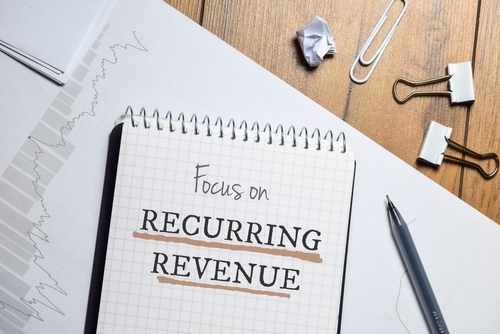 With the number of Amazon Prime member subscribers growing from 58 million in 2016 to 180 million in 2024, according to Statista, there’s a sustained recurring subscription model that one of America’s most successful retailers has increased more than 200 percent in eight years. Whether it’s a large company such as Amazon or a solopreneur beginning their recurring subscription services, it’s important to first distinguish between overall bookings and recurring revenue; and then to illustrate how businesses can measure these two types of revenue.
 Return on Ad Spend (ROAS) is one way to help advertising and marketing professionals and investors analyze how well promotions do (or don’t) produce sales. It helps advertisers develop data based on their campaigns’ revenue production (or lack thereof). Understanding how this metric is calculated and how to analyze ROAS is essential for businesses to monitor and increase their advertising performance.
 Keeping tabs on what you spend isn’t hard. It just has to become a habit. But here’s the good news: Studies show that it only takes an average of 66 days to form a habit. A little over two months. With these easy ways to track your monthly expenses, you’ll be a regular money manager in no time.
