
 Identity theft is when someone steals your personal information and then uses it to commit fraud. They may access your Social Security or Medicare number, employee ID, utility, credit card or bank account numbers. Once the scammer has this information, he can conduct all kinds of crimes, such as withdraw assets from your accounts, open and close accounts in your name, take out loans or new lines of credit in your name, and even impersonate you if they get arrested – leaving you with a criminal record you may not even know about.
How Do Scammers Steal Your Identity?
Whereas scammers used to rummage through trash cans; today they can hack into your emails, social media, and personal accounts. That’s because we conduct so many of our transactions online now, they don’t even need to be physically present to take something from you.
Today, your data – contact information (e.g., phone number, email, address) and account numbers (e.g., financial, Social Security, employment ID) are all commodities that are bought and sold by both legitimate and illicit entities. Even the most harmless retail outlets solicit information, like your email and phone number in exchange for a 15 percent discount or free shipping. They can use this information for their own purposes and/or sell compiled lists to whoever will pay for it. The more you freely put your information out there, the higher your risk of identity theft or other forms of fraud.
Warning Signs
Paid Actors: Scammers may contact you directly via phone, email or text about a security breach or an offer you can’t refuse. They are professionals – they do this all day, every day, and know how to sound convincing. They may even trick you into giving out personal details (e.g., what’s your husband’s name? Are your parents still alive? How old is your daughter?) without you even realizing it.
Check Your Trust Instinct: Most people have an innate instinct to believe in the good of others, particularly those entrusted with our assets. That’s why when your bank calls, you become immediately concerned and receptive to their efforts to protect you. However, do not trust automatically and always verify.
Move Your Money: Let’s say someone from your bank calls and says they detected an unusually large transaction from your account. They may suggest you call your bank directly to stop the transaction and give you the local number to call. When you call, you may simply reach another scammer. They will often recommend you transfer your assets to a new account and close the old one to prevent fraudulent transactions by having a new account number – which the scammer will also have. If you are asked to move your funds to another account, this is a red flag.
SIM Swapping: If your phone stops working for no apparent reason, it’s possible your SIM card (or e-SIM) has been stolen. This is the memory chip found in phones, tablets, and smartwatches that stores your contact information, text messages, and passwords. It is incredibly valuable to scammers because it can enable them to log into your financial accounts. Even if you use two-factor authentication, he can intercept the code sent to your phone to verify your identity. He can then drain your assets, make unauthorized purchases on your debit and credit cards, and even lock you out of your own social media accounts by changing your passwords. Remember, immediately contact your carrier if your phone stops working. This may indicate that your phone number has been reassigned to another SIM.
How To Stop Today’s Scammers
The quicker you detect the problem, the faster you can shut it down and the less damage can be done to your personal and financial circumstances. Consider these tips:
- Put a freeze on your credit report with each of the three (3) credit reporting agencies – Equifax, Experian and TransUnion. You can unfreeze them any time you apply for new credit.
- Request fraud alerts from any of the three credit bureaus.
- Check your three (3) credit reports and your credit score every year for any changes or unfamiliar accounts.
- Never invest based on the advice of someone you’ve only encountered online.
- Add a trusted contact to your financial accounts, whom your financial firm may contact if you appear to be making unusual transactions.
- Passwords are the bane of modern-day technology. One way to minimize how many you have to keep changing is to add multifactor authentication – a two-step process that requires you to enter a unique code sent via email or text message each time you log in to an online account.
- Monitor your account activity. If you still get statements by mail, be sure to read them every month. If you do all your transactions online, review them at least once a month to ensure there are no unexplained charges.
And finally, if you ever have an encounter with a scammer, share your experience with your friends, colleagues, and family members. This is particularly helpful for older folks, who are less familiar with how technology is used these days. We tend to live in a bubble and assume our assets and our identity are safe since no one we know has ever been victimized. But in fact, some people keep quiet because they are embarrassed. Don’t be. Share your story with friends; spread the word so others are more aware and more vigilant. Fraud and identity theft can happen to anyone.




 When it comes to financial analysis, there are two metrics that internal stakeholders and external users, such as investors and analysts, can use to assist with analyzing a business’s operations.
 The subscription economy, according to Forbes, is expected to reach $1.5 trillion in revenue for businesses. With the potential likely realized this year, it’s vital to understand how it is tracked – and more importantly, how it’s able to be tracked on a separate basis.
 As Benjamin Franklin said, there’s only two certainties in life: death and taxes. With the former, you don’t have much control over; however, the latter can be affected. That’s why we’re here to give you some tips and info about filing in our changing landscape.
 Laken Riley Act (S 5) – A holdover from the last congressional session, this bill was re-introduced by Sen. Katie Britt (R-AL) on Jan. 6. It is similar to a 1996 law, the Illegal Immigration Reform and Immigrant Responsibility Act, that deports illegal immigrants who are found guilty of serious crimes. This new bill enables the government to detain and deport illegals who are arrested for serious crimes or misdemeanors (such as shoplifting), but they do not have to be charged or found guilty. The legislation passed in the Senate on Jan. 20 and the House on Jan. 22, and it is expected to be the first bill signed by the Trump administration.
 With a Roth IRA, the owner can make limited contributions each year. In 2025, the limit is $7,000; $8,000 if age 50 or older. Only people who earn less than $150,000 (single filers) or under $236,000 (married filing jointly) can make a full Roth IRA contribution. While contributions do not qualify for a tax deduction, earnings are not taxable once the account has been open for five years. Contributions, which were previously taxed as income, can be withdrawn at any time.
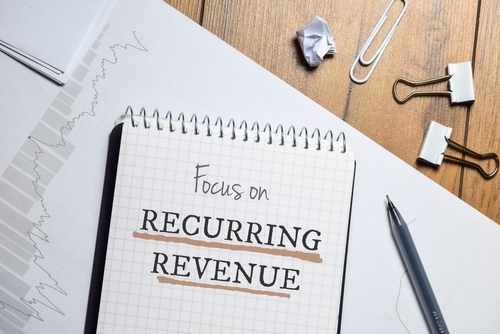 With the number of Amazon Prime member subscribers growing from 58 million in 2016 to 180 million in 2024, according to Statista, there’s a sustained recurring subscription model that one of America’s most successful retailers has increased more than 200 percent in eight years. Whether it’s a large company such as Amazon or a solopreneur beginning their recurring subscription services, it’s important to first distinguish between overall bookings and recurring revenue; and then to illustrate how businesses can measure these two types of revenue.
 Return on Ad Spend (ROAS) is one way to help advertising and marketing professionals and investors analyze how well promotions do (or don’t) produce sales. It helps advertisers develop data based on their campaigns’ revenue production (or lack thereof). Understanding how this metric is calculated and how to analyze ROAS is essential for businesses to monitor and increase their advertising performance.
 Keeping tabs on what you spend isn’t hard. It just has to become a habit. But here’s the good news: Studies show that it only takes an average of 66 days to form a habit. A little over two months. With these easy ways to track your monthly expenses, you’ll be a regular money manager in no time.
 As 2025 unfolds, U.S. tax policy is poised for significant shifts, particularly with a new Republican administration under President Donald Trump. The year ahead will likely see a range of tax reforms, largely driven by the GOP’s objectives and campaign promises. In this article, we’ll explore the major tax policy trends, legislative developments, and administration changes that may shape U.S. tax law in 2025.
